

Introduction: Who Needs Torque Spanner Wrenches and Why
Are you a professional mechanic, industrial technician, or a dedicated DIYer seeking reliable, precise tightening for your projects? This page is designed for you. Here, we cover everything you need to know about torque spanner wrenches—including their types, main uses, maintenance tips, and how to select the right tool for your needs. Torque spanner wrenches are essential for anyone who values safety and precision, as they help prevent over-tightening or under-tightening, which can lead to equipment failure or safety hazards. Whether you work in automotive repair, industrial maintenance, or home improvement, understanding torque spanner wrenches is crucial for achieving consistent, safe, and professional results.
What is a Torque Spanner Wrench?
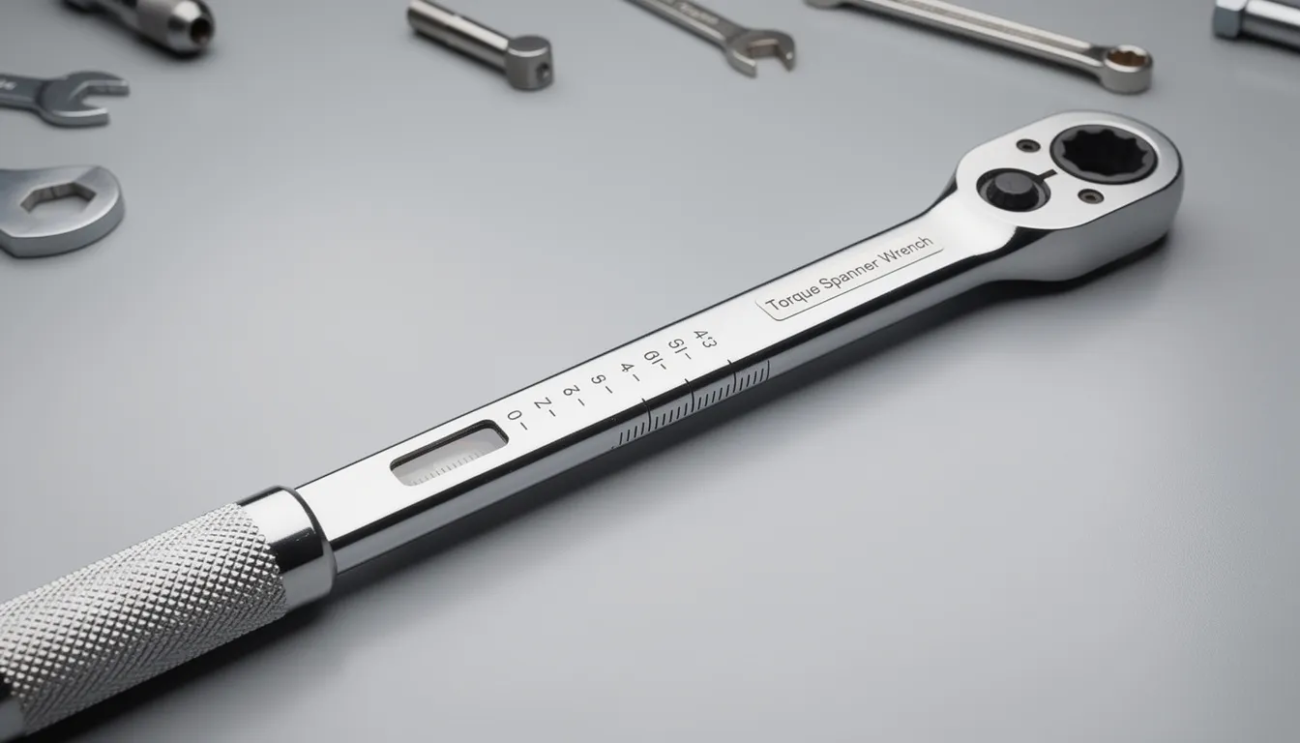
A torque wrench is a precision tool used to apply specific rotational force to fasteners. Torque spanner wrenches are used for adjusting collars, lock nut rings, and bearings. These tools are engineered to deliver exact torque levels, ensuring that fasteners are neither too loose nor too tight. This accuracy is vital for maintaining the integrity and safety of mechanical systems. By using a torque spanner wrench, you can meet industry standards and avoid costly mistakes or equipment damage.
Now that you know what a torque spanner wrench is, let’s explore the different types and their specific uses.
Main Uses and Types of Torque Spanner Wrenches
Torque spanner wrenches are versatile tools commonly used for adjusting collars, lock nut rings, and bearings. They are indispensable in settings where precise torque application is required to ensure safety and equipment longevity. The main types of torque spanner wrenches include:
- Adjustable Pin Spanner Wrenches: Ideal for various fastener sizes and types.
- Hook Spanner Wrenches: Designed for round nuts with drilled holes.
- Face Spanner Wrenches: Used for fasteners with holes on the face.
- Click-Type Torque Wrenches: Provide audible feedback when preset torque is reached.
- Beam, Dial, and Digital Torque Wrenches: Offer different methods for measuring and displaying torque.
Each type is suited for specific applications, from delicate electronics to heavy-duty industrial tasks. Understanding the main uses and types of torque spanner wrenches helps you choose the right tool for your job.
With a clear understanding of the main uses and types, let’s move on to a detailed look at the various spanners and torque wrenches available.
Types of ofSpannersr and Torque Wrenches
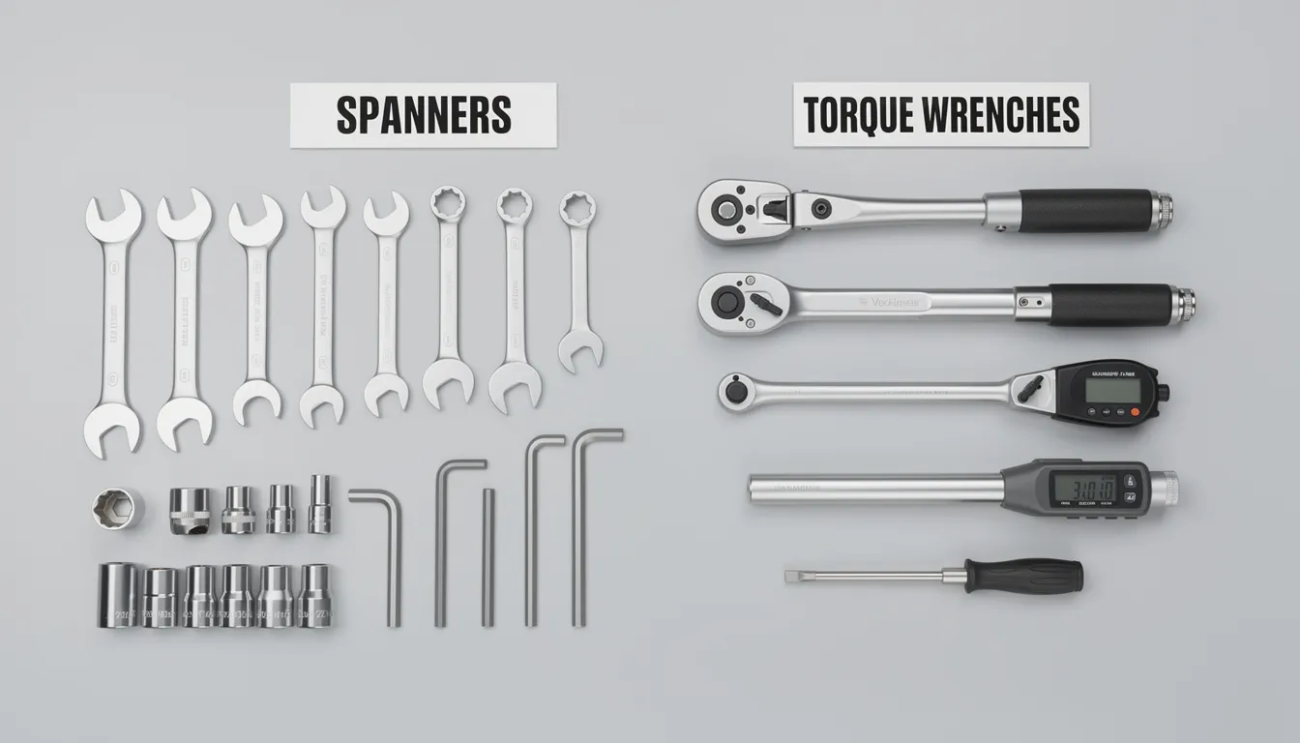
Adjustable pin, hook, and face spanner wrenches offer versatility in various applications, including industrial and professional settings, where a torque wrench is often necessary. Each type of spanner wrench is designed to accommodate specific fastener sizes and types, ensuring a secure fit and reliable performance—a key feature of any torque spanner wrench tool. Many torque spanner wrenches are available in 1/4″ and 1/2″ drive sizes, making them compatible with a wide range of tool diameters and components. 1/4-inch drive torque wrenches are ideal for precision work such as bicycles and small electronics, while 1/2-inch drive torque wrenches are suited for heavy-duty automotive and industrial jobs.
The range of spanner wrenches available caters to different needs and preferences, allowing users to select the most suitable tool for their tasks, whether they require a torque wrench or another type of wrench. Torque wrenches, in particular, are essential for precision tightening, as they provide a precise measure of the torque applied, making them a crucial tool in many industries. The variety of spanner wrenches on the market ensures that users can find the perfect tool for their specific requirements, including those that require a torque wrench. Common types of torque wrenches include click-type, beam, dial, and digital.
Understanding the types of openers and torque wrenches available sets the stage for exploring their features and applications.
Features and Applications
Torque spanner wrenches are engineered with features that enhance their usability and accuracy across a range of tasks. Key features and applications include:
- Adjustable Settings: Allow users to precisely customize the tool for specific torque requirements.
- Click-Type Feedback: Produces an audible ‘click’ when the preset torque is reached, providing clear feedback.
- Digital Features: Digital torque wrenches offer real-time readings, data logging, and higher precision for critical tasks.
- Comfortable Grip: Designed to reduce fatigue and enable efficient work over extended periods.
- Accuracy Tolerance: Typically ±2-4%, with calibration recommended every 5,000 cycles or annually.
- Versatile Applications: Suitable for industrial maintenance, construction, automotive repair, and more.
- Specialized Uses: Torque spanner wrenches are used for adjusting collars, lock nut rings, and bearings.
Understanding these features helps in selecting the right tool for your needs, which we discuss next.
Industrial Uses
- Industrial torque wrenches are designed to withstand the demands of heavy-duty applications, providing reliable performance in challenging environments, where a torque wrench is often essential.
- These wrenches are used in various industries, including manufacturing, oil and gas, and aerospace, where precision tightening is critical, and a torque wrench is often necessary.
- The range of industrial torque wrenches available includes models with advanced features, such as digital displays and data logging, making them ideal for tasks that require a high level of precision and a torque wrench.
- By utilizing industrial torque wrenches, companies can improve their efficiency, reduce costs, and enhance product quality, whether they are using a torque wrench or other types of tools.
- The use of industrial torque wrenches also helps to ensure compliance with regulatory standards and industry protocols, making them a crucial tool in many industries.
With an understanding of industrial uses, let’s look at what sets professional-grade torque spanner wrenches apart.
Professional-Grade Tools
- Professional-grade torque spanner wrenches are designed to meet the highest standards of quality and performance, making them ideal for professionals who require a reliable torque wrench tool.
- These wrenches feature advanced materials and construction, ensuring durability and resistance to wear and tear, whether they are used with a torque wrench or other types of tools.
- The supplied wrenches are calibrated to precise specifications, providing accurate and consistent results, making them essential for tasks that require a torque wrench.
- Professional-grade torque spanner wrenches are suitable for a wide range of applications, including automotive, aerospace, and industrial maintenance, where a torque wrench is often necessary.
- By investing in professional-grade torque spanner wrenches, users can improve their productivity, reduce errors, and enhance their reputation, whether they are using a torque wrench or other types of tools.
Next, let’s review important safety considerations when using torque spanner wrenches.
Safety Considerations
- When using torque spanner wrenches, it is essential to follow safety guidelines and best practices to minimize the risk of injury or damage, whether a torque wrench is being used or not.
- Users should always wear protective gear, including gloves and safety glasses, and ensure that the work area is clear of obstacles, whether they are using a torque wrench or other types of tools.
- The use of torque spanner wrenches requires proper training and experience, as improper use can result in accidents or equipment damage, making it crucial to understand how to use a torque wrench correctly.
- Regular maintenance and inspection of the wrenches are also crucial to ensure that they remain in good working condition, whether they are used with a torque wrench or other types of tools.
- By prioritizing safety and following proper procedures, users can ensure a safe and efficient working environment, whether they are using a torque wrench or other types of wrenches.
With safety in mind, let’s move on to how you can keep your torque spanner wrenches in top condition.
Repair and Maintenance
Routine Maintenance Tips
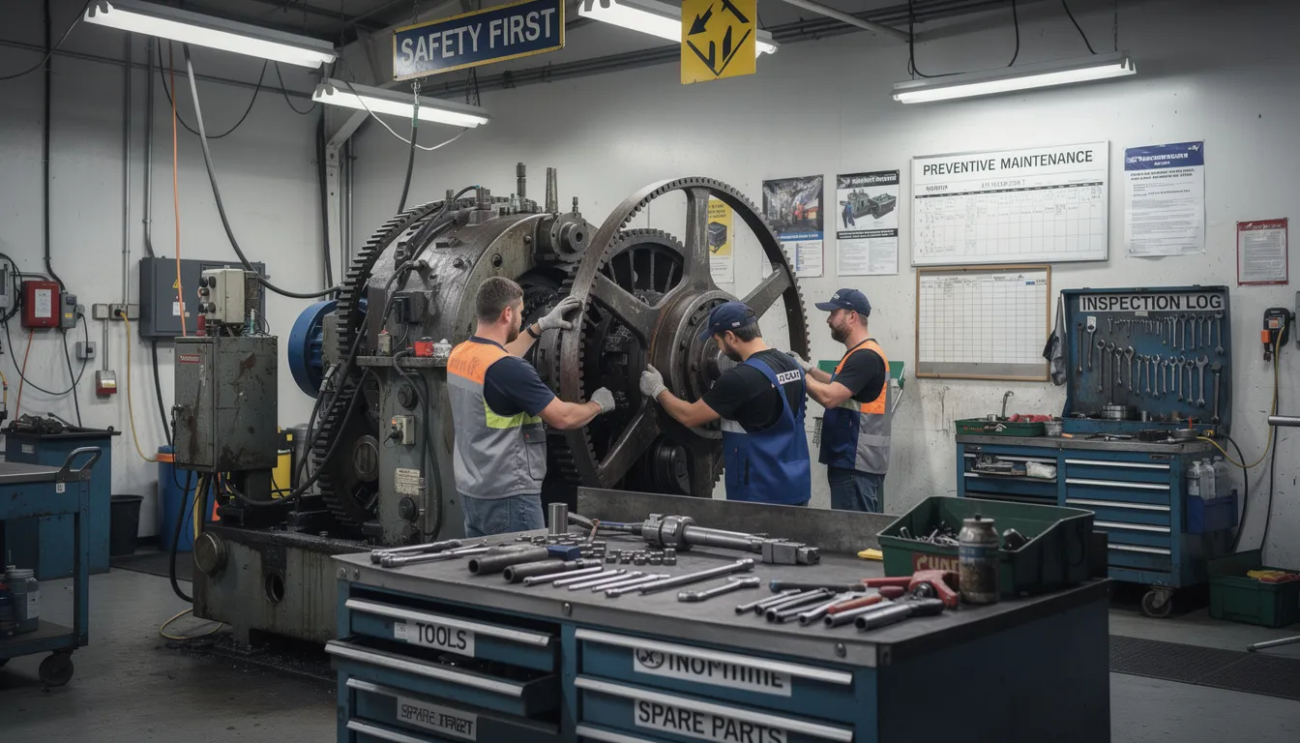
- Regular repair and maintenance are essential to keep your torque wrench tool performing at its best, ensuring accurate torque measurements and extending the life of your wrench.
- Always refer to the supplied manual or visit the manufacturer’s website for detailed instructions on maintaining and repairing your torque wrench, as each model may have specific requirements.
Ordering Repair Kits
- GoSeekTools offers a range of repair kits in stock, designed to fit various torque wrench models and quantities. Each kit ships with all the necessary components and step-by-step instructions to help you perform common repairs with confidence.
- Properly setting a holding old of your torque wrench during use can prevent unnecessary wear and reduce the frequency of repairs, helping you get the most out of your tool.
- When you add a torque wrench to your cart, remember to continue shopping for any additional accessories or repair kits you might need to keep your tool in top condition.
- In the field, professionals depend on their torque wrenches for precise torque application, making regular maintenance a top priority to avoid downtime and ensure reliable performance.
- Norbar products, including their torque wrenches, are built for durability and heavy use, but even the best tools may require occasional repairs to maintain peak accuracy.
- To add a repair kit to your order, simply browse the available products, select the kit that matches your wrench, and proceed to the terms and conditions page before checkout.
- If you have questions about repair or maintenance, you can contact the manufacturer directly via email or use the contact form on their website for expert support.
- Following the 1/4 rule for torque wrench calibration—using the tool within the middle 50% of its torque range—can help ensure ongoing accuracy and reliability.
- By making repair and maintenance a regular part of your routine, you’ll protect your investment, maintain precise torque settings, and ensure your torque wrench continues to deliver dependable results for every project.
Now that you know how to maintain your tools, let’s discuss how to select the right torque spanner wrench for your needs.
Selecting the Right Tool
When selecting a torque spanner wrench, consider the following factors:
- Type of Application: What tasks will you be performing?
- Required Torque Range: Does the tool cover the torque levels you need?
- Level of Precision Needed: How critical is accuracy for your work?
- Durability: Is the tool built to withstand your working conditions?
- Comfort: Does the wrench have ergonomic features for extended use?
- Manufacturer Reputation: Is the brand known for quality and reliability?
- Certifications/Compliance: Does the tool meet industry standards?
By evaluating these factors, you can ensure accurate and consistent results and improve your overall productivity. The use of torque spanner wrenches requires a thorough understanding of the tool and its applications, making it essential to research and compare different options before making a purchase.
