

Types of Torque Wrenches
Torque wrenches can be categorized into several types, including click-type, beam-type, and digital torque wrenches. Each type offers unique features and benefits for different applications.
- Torque wrenches come in various types, including click type torque wrenches, electronic torque wrenches, and flex head torque wrenches—each with distinct advantages.
- Digital torque wrenches are prized for their precision and accuracy, perfect for engine work and other tasks where exact torque control is critical.
- Electronic torque wrenches often feature multiple display modes and units, such as ft-lb and lb, making it straightforward to pick the desired torque value and measure torque precisely. They usually have a digital scale for accuracy. Users can adjust torque settings easily, often using forward controls, and get real-time feedback to ensure they hit the mark.
- Click type torque wrenches are simple to operate and give a clear signal—usually a click or slip—when the set torque is reached, which is why they remain popular.
- Flex head torque wrenches shine in tight spaces, offering excellent precision and control. They’re great for delicate jobs like spark plug removal. Most standard models cover up to about 300 lb-ft, suitable for most home or auto tasks.
Introduction to Torque Wrenches

Whether you’re a professional mechanic, automotive technician, or a dedicated DIYer, the best electronic torque wrench with angle is a must-have for vehicle maintenance and repair. This article is designed for anyone who needs reliable, precise torque application—especially those working on modern vehicles where accuracy is critical. Here, we’ll review and compare the top electronic torque wrenches with angle features, helping you choose the right tool for your needs.
The electronic torque wrench with angle is essential for ensuring nuts and bolts—especially lug nuts and head bolts—are tightened just right. The angle feature is particularly important for modern automotive work, as many manufacturers now specify both torque and angle to achieve proper fastener stretch, especially with torque-to-yield bolts.
The best digital torque wrench delivers precise torque readings for automotive parts, helping avoid damage and keeping everything running smoothly. Knowing how important proper torque is can’t be overstated; a good torque wrench makes the difference between a solid assembly and potential failure.
Digital wrenches stand out for their user-friendly interfaces and accurate torque measurements, making them favorites among mechanics and DIYers alike. Setting them up usually just means inserting batteries and dialing in your torque settings. Many users find digital torque wrenches genuinely satisfying to use.
When hunting for the best digital torque wrench, focus on precision, durability, ease of use, drive size, and head type. Also, keep an eye out for a good price to get the best value.
The Importance of Digital Torque
Digital torque wrenches have become essential tools for anyone who values precision and quality, whether working on cars, engines, or general maintenance. Their main advantage is delivering accurate, consistent torque readings, letting you set and achieve the exact torque needed with confidence. This control is vital when tightening bolts, head bolts, or spark plugs to avoid damage and ensure reliability.
A good digital torque wrench removes the guesswork from tightening fasteners. With a clear digital display, you can watch the torque as you apply it, which is especially helpful in low light situations where analog scales fall short. Many digital models also provide audible or visual alerts when you reach the target torque, reducing the chance of over- or under-tightening.
Thanks to their precision and repeatability, digital torque wrenches help keep assemblies safe and high-quality. Whether you’re working on engine parts, vehicle bolts, or precision equipment, their accuracy and ease of use make them a valuable part of any toolbox. In my experience, having one of these tools can save a lot of frustration and rework.
Electronic Torque Wrench Technology
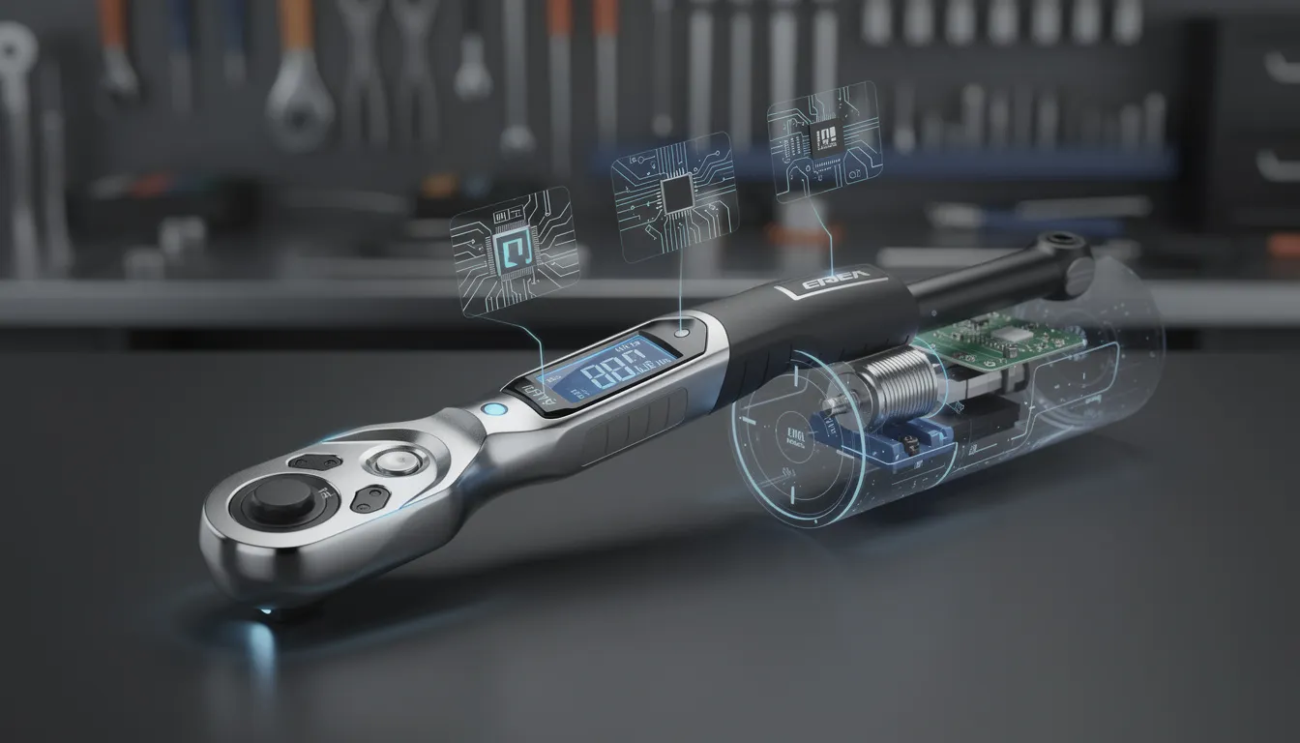
Electronic torque wrench technology has changed how professionals and hobbyists handle torque tasks. The best digital torque wrenches use advanced sensors and microprocessors to provide precise torque measurements, making sure every fastener is tightened exactly as specified. This technology not only boosts accuracy but also improves control, making it easier to get the job done right.
A standout feature on many electronic torque wrenches is the flex head design, which helps reach tight spots and awkward angles. This is especially handy in cramped engine bays or complex assemblies. These wrenches often offer multiple display modes, showing real-time torque, peak torque, and even angle measurements for jobs that require specific rotations.
An angle feature is essential for working on modern engines with torque-to-yield bolts. Angle measurement in torque wrenches ensures fasteners are stretched to their exact design point by accounting for friction and thread conditions.
Most digital torque wrenches let you switch between units like ft-lb or lb and provide a clear readout for easy monitoring. The wrench’s pivot point is engineered for accuracy, so torque remains consistent no matter the position. When picking a digital torque wrench, consider the torque range, build quality, warranty, and included accessories like sockets, batteries, and carrying cases.
Many models are available through tool trucks or online, so finding one that fits your needs is fairly straightforward. With features designed for convenience and precision, electronic torque wrenches are a solid step up for anyone serious about torque control—whether tightening lug nuts, engine parts, or any critical fastener.
Choosing the Best Torque Wrench
To find the best torque wrench, consider the following:
- Your specific tasks and the level of precision required
- The accuracy and features of different brands and models
- Reviews and user feedback for real-world performance, reliability, and ease of use
- How well the tools hold calibration over time
- The manufacturer’s reputation, warranty, and customer support
- Whether you need features like a flex head or electronic torque capabilities
- Extras such as sockets or a dedicated tool truck
- Your budget and the overall value offered
Taking the time to match your needs with the right tool will pay off in accuracy, durability, and overall satisfaction.
Top Picks for Torque Wrenches
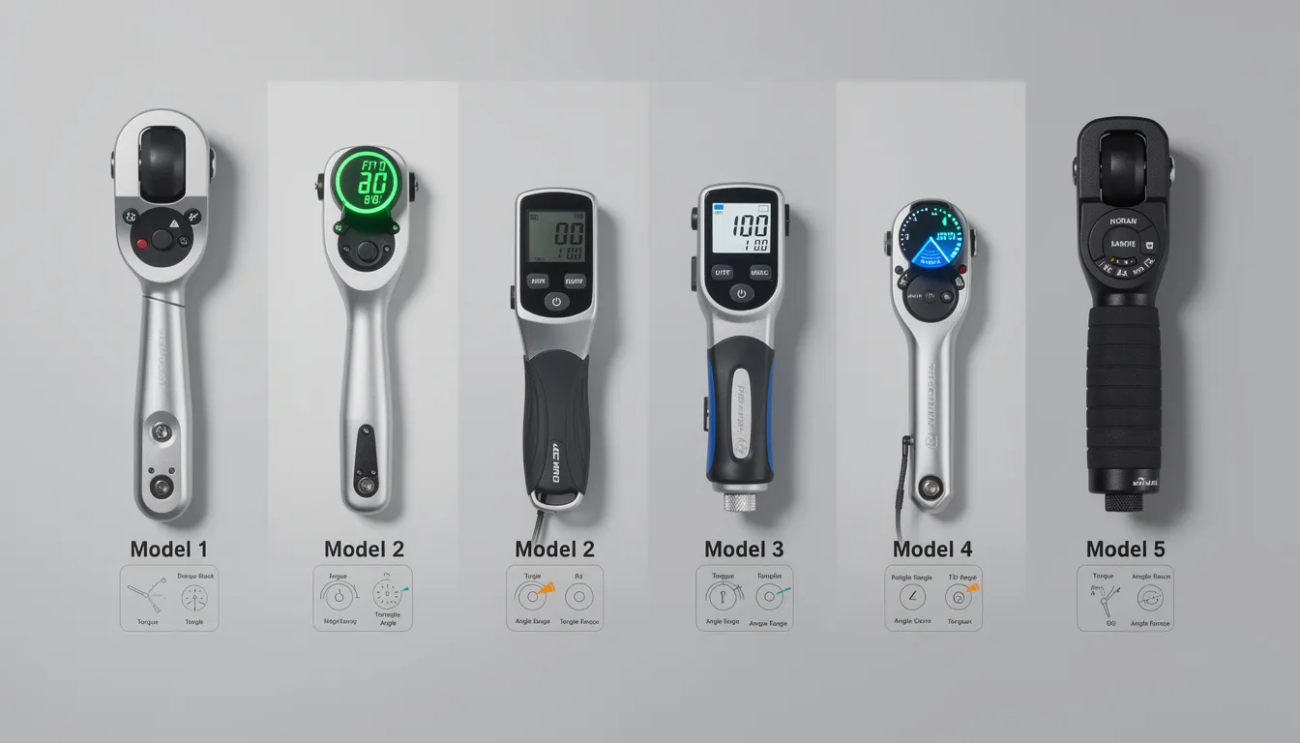
Brands known for high-quality electronic torque wrenches with angle capabilities include Stahlwille, Matco Tools, and Eastwood.
CDI Click Type Wrench
- The CDI Click Type Wrench is a reliable choice, offering a blend of precision and durability. It’s suitable for a range of tasks, from engine work to spark plug removal, and is great for wheels, providing reliable torque for lug nuts and wheel components.
ACDelco Digital Torque Wrench
- The ACDelco Digital Torque Wrench features angle measuring capabilities. This makes it ideal for modern automotive work where both torque and angle are specified. It’s user-friendly and offers accurate, repeatable results.
Gearwrench 85078 Flex Head Electronic Torque Wrench
- The Gearwrench 85078 Flex Head Electronic Torque Wrench stands out for its flexibility and electronic features, making it a favorite for tight spaces and complex assemblies.
Snap-on Digital Torque Wrench
- The Snap-on Digital Torque Wrench is another excellent choice, offering advanced features and high precision, favored by many professional mechanics and serious DIYers.
- The Snap-on TechAngle (ATECH Series) is highly favored by professional mechanics for its reliability and flex-head design.
- Always check reviews and do your homework to find the best fit for your needs and budget. Proper calibration is key—an uncalibrated wrench can throw off your torque and cause problems during use.
Using a Torque Wrench
Setting the Torque
- Start by setting the desired torque value and adjusting the wrench to the correct range, following the manufacturer’s instructions carefully. Know how much torque your application requires.
Attaching the Socket
- Attach the right socket or accessory, and make sure it fits snugly on the bolt or nut.
Applying Torque
- Tighten slowly until the wrench signals that the desired torque is reached. Avoid over-tightening or under-tightening, which can harm components or reduce performance. Many digital wrenches vibrate or beep when you hit the target torque.
- Vibrating handles, audible buzzers, and multi-color LED lights are effective alert systems in electronic torque wrenches to prevent over-tightening.
- Use smooth, steady pressure—jerky or excessive force can damage the wrench or the fastener.
Double-Checking Fasteners
- After reaching the set torque, remove the wrench and double-check the fastener to ensure it’s secure. Adjust if necessary.
Maintenance and Storage
Routine Maintenance
- Keep your torque wrench clean and lubricated.
- Avoid extreme temperatures or rough handling, which can damage the wrench or affect its accuracy.
- Regular calibration is essential to maintain precision. Follow the manufacturer’s guidelines for maintenance and repairs to extend the tool’s lifespan.
Proper Storage
- Store the wrench in a dry, safe place away from sunlight and moisture.
- Store the wrench in a protective case, separate from other tools to prevent damage and interference.
Troubleshooting Common Issues
- If your torque wrench gives inaccurate readings or is hard to set, consult the manual or contact customer support.
- Common problems include calibration drift, worn parts, or user error. These can often be fixed with proper maintenance or part replacement.
- Check calibration first, then inspect moving parts for wear or damage.
- Online forums and resources can be helpful for troubleshooting tips.
- If unsure, seek professional help to avoid further damage.
Here’s what actually worked for many users: regular calibration and gentle handling keep torque wrenches performing well long-term.
